
AI Keynote Speakers: The Voices Shaping the Future of Technology
AI Keynote Speakers: Why They’re the Difference Between “Interesting” and “Transformative”
When artificial intelligence takes the stage, the conversation can swing from the thrilling to the technical in minutes. The difference between a session that sparks action and one that leaves people checking their emails often comes down to the person leading it. AI keynote speakers do more than share facts — they frame the stakes, connect the technical to the human, and help audiences see where the future might lead.
In London — where technology events can mean a start-up showcase in Shoreditch, an investment summit in Canary Wharf, or a global innovation forum at ExCeL — the right AI keynote speaker turns complexity into clarity. They bring not just expertise, but the ability to inspire business leaders, policymakers, and curious audiences alike to think differently about what’s possible.
A great AI keynote speaker shapes the mood, directs attention to what matters, and leaves listeners feeling that they’ve just glimpsed tomorrow. That’s why organisations from across the UK treat this role as a strategic choice, not just a booking.
AI Keynote Speakers: What They Actually Do on Stage
An AI keynote speaker is part educator, part storyteller, and part guide to a rapidly shifting landscape. They track the latest developments, translate dense research into usable insight, and show how artificial intelligence fits into broader business and social contexts.
On stage, they balance vision with practical application. They can explain how a breakthrough in natural language processing might affect a marketing department, or how advances in robotics could reshape a manufacturing line. The aim is always the same — give the audience something they can take back to their own work, and the belief that they can act on it.
The best speakers read the room in real time. They can slow down to explore a point that resonates, pivot when a new question emerges, or tie together threads from earlier sessions. They make sure the conversation feels alive, not pre-scripted.
AI Keynote Speakers: The Payoff for Audience Engagement
Engagement in AI talks isn’t about applause or polite nods — it’s about mental connection. When an AI keynote speaker hits the mark, attendees leave not just with notes, but with stories and examples they can share. They understand the “so what” as well as the “how.”
For organisers, the benefits are clear. Sessions run to time without feeling rushed. Delegates come away with language they can use to explain AI to their teams. Sponsors see their themes woven into the discussion in a way that feels authentic. And the event earns a reputation for delivering both depth and energy — a combination that keeps people coming back.
AI Keynote Speakers in London and Across the UK
London is a natural stage for AI conversations. With its blend of finance, creative industries, start-ups, and government, the city hosts an event calendar that ranges from policy debates to tech expos. Venues like the QEII Centre, Kings Place, and Olympia regularly stage AI-focused programmes where the choice of keynote speaker shapes the narrative for the day.
Across the UK, AI themes surface in sector-specific settings — from manufacturing conferences in the Midlands to health-tech forums in Manchester, or creative AI showcases in Edinburgh. Many London-based AI keynote speakers travel nationwide, bringing consistent quality and tailored messages to regional events. That mobility means audiences in Cardiff or Belfast get the same calibre of insight as those in Westminster.
How to Get the Best from AI Keynote Speakers
The most effective AI keynotes are a collaboration between speaker and organiser. Share the purpose of the event early, along with the profile of the audience. Are they AI beginners, seasoned tech leaders, or a mix? What’s the main action you want them to take afterwards?
Provide a draft agenda and highlight the other voices in the programme, so the keynote can connect to them. Flag sensitive topics — from ethics to regulation — so they can be handled with care. And on the day, allow time for a pre-session check-in to confirm tone, timing, and any last-minute developments in the AI world that could be woven in.
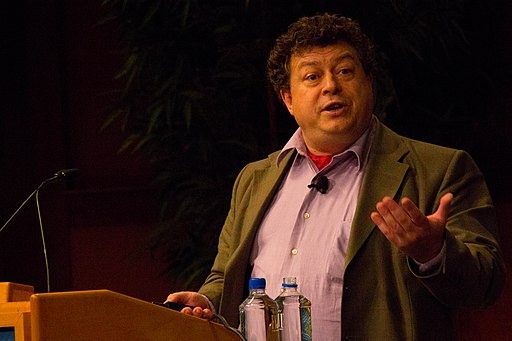
AI Keynote Speakers: Rory Sutherland
Rory Sutherland approaches AI through the lens of human behaviour and decision-making. Known for his work in behavioural science and advertising, he frames technology not just as a tool, but as something shaped by the way people perceive, trust, and use it.
On stage, Rory mixes insight with wit, showing how AI can shift customer experience, alter brand perception, and unlock unconventional solutions. He’s adept at moving between big-picture thinking and tangible examples, making his talks memorable for both C-suite executives and creative teams. In London or further afield, he brings a distinctive voice to AI discussions that might otherwise feel purely technical.
AI Keynote Speakers: Steven Bartlett
Steven Bartlett brings an entrepreneurial perspective to AI. As a founder, investor, and host of one of the UK’s most listened-to business podcasts, he connects AI’s potential to the realities of building companies and scaling ideas.
His keynote style is conversational yet sharp, weaving personal experience with industry insight. He explores AI’s role in everything from marketing to team culture, encouraging audiences to think about not just “what’s coming,” but how to position themselves to lead in that change. His reach with younger audiences and start-up communities makes him a valuable addition to events aiming to bridge generations and sectors.

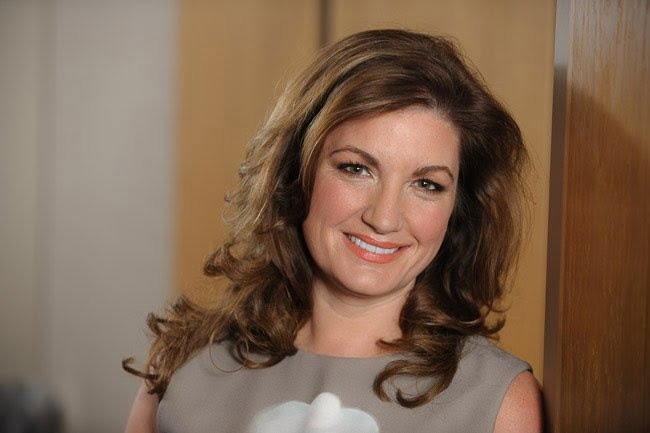
AI Keynote Speakers: Karren Brady
Karren Brady’s focus is on leadership and organisational impact. When she speaks on AI, it’s often in the context of strategic adoption — how executives can lead through technological change while keeping teams engaged and customers confident.
Her talks combine business acumen with practical steps for navigating disruption. She addresses governance, ethics, and the human side of digital transformation, making her a strong choice for corporate audiences who want a balance of vision and responsibility.
AI Keynote Speakers: Susannah Streeter
Susannah Streeter brings economic and market expertise to AI conversations. With a background in broadcasting and financial analysis, she can unpack how AI is influencing global markets, investment patterns, and sector competitiveness.
Her delivery is methodical and clear, guiding audiences through complex territory without losing sight of actionable insight. In both London’s financial districts and regional business hubs, she connects AI trends to the strategic decisions leaders face right now.

AI Keynote Speakers: Alpesh Doshi
As Founder and CEO of Fintricity and founder of Kendra Labs, Alpesh Doshi has spent over 25 years building agentic AI systems from the lab to the boardroom. His keynote sessions blend deep technical practice with accessible explanation, making him a trusted voice for mixed audiences.
He excels at translating the technical without dumbing it down, creating an inclusive space for dialogue. His real-world case studies, from re-skilling 700 engineers to clearing a two-year backlog, keep both technical and executive audiences equally engaged.
AI Keynote Speakers: Georgia Lewis Anderson
Georgia Lewis Anderson explores the cultural and creative dimensions of AI. Her talks often focus on how technology intersects with identity, media, and everyday life.
She is skilled at bringing in diverse perspectives, ensuring AI conversations feel relevant beyond purely technical circles. For events in the arts, media, and creative industries, her approach offers a refreshing and human-centred take on innovation.

AI Keynote Speakers: Dominic O’Connell
Dominic O’Connell connects AI to business strategy and economic policy. Drawing on his background in journalism and market analysis, he frames AI as both an opportunity and a strategic challenge.
His sessions equip leaders with the context they need to make informed decisions, particularly in sectors where regulation, public perception, and investment risk intersect.

What Great AI Keynotes Look Like in Practice
Three moments define a standout AI keynote. First, a clear opening that sets context and urgency. Second, a dynamic middle that blends insight with interaction — whether through audience polls, live demos, or tailored case studies. Third, a close that distils the message into a simple, memorable takeaway.
The best AI keynotes leave space for questions and reflection. They balance optimism with realism, ensuring audiences walk away informed, inspired, and ready to act.
AI Keynote Speakers in London: Formats That Work
Different formats suit different aims. A standalone keynote can set the tone for an entire event. Fireside chats allow for more intimate exploration of themes, while panel moderation lets a keynote speaker bring out complementary voices.
Hybrid events require additional skill — acknowledging online participants, repeating audience questions for the stream, and ensuring no one feels like an afterthought. The best AI keynote speakers adapt seamlessly to these needs.
Building an Agenda Around AI Keynote Speakers
When planning, think of the keynote as the spine of the programme. Open with context, explore challenges, and close with choice — what the audience can do next. For AI topics, this might mean starting with a global view, moving into sector-specific implications, and ending with practical next steps.
Making Space for Audience Participation
In AI sessions, interaction helps anchor abstract concepts. Quick polls, scenario-based questions, and opportunities to share experiences keep the room engaged. Anonymous Q&A can surface the real concerns — from job security to ethical dilemmas — that people might hesitate to voice aloud.
Measuring Success with AI Keynote Speakers
Decide the metrics in advance. If you want understanding, check whether attendees can explain a key concept afterwards. If you want action, see whether they leave with a specific next step. If you want reach, track whether quotes or clips are shared beyond the event.
Working With Time and Tempo
AI discussions can easily run long. The best keynote speakers plan checkpoints, carry a concise backup ending, and keep the flow tight without cutting value.
AI Keynote Speakers for Different Sectors
Finance wants risk assessment and regulatory clarity. Healthcare seeks insights on data ethics and patient outcomes. Creative industries value storytelling and co-creation. Public-sector audiences need policy alignment. The most adaptable AI keynote speakers shift emphasis to suit each room.
Choosing the Right AI Keynote Speaker
If you want vision with a behavioural twist, choose Rory Sutherland. For entrepreneurial energy, Steven Bartlett. For leadership focus, Karren Brady. For economic perspective, Susannah Streeter. For AI implementation, Alpesh Doshi. For cultural insight, Georgia Lewis Anderson. For strategic depth, Dominic O’Connell.
Booking AI Keynote Speakers You Can Trust
Book early, share your objectives, and involve them in shaping your session. The first few minutes on stage will confirm you made the right choice.
AI Keynote Speakers: Final Thoughts for London and the UK
In a world where AI shapes business, policy, and daily life, a keynote is more than a speech — it’s a moment to define how an audience understands change. Across London and the UK, AI keynote speakers help organisations seize that moment, making complexity clear and turning potential into purpose.
Book AI Keynote Speakers in London
If you are planning a conference, summit, or leadership forum, the keynote you choose will set the tone. With AI keynote speakers in London, you gain professionals who can connect global trends to local priorities and deliver sessions that resonate across sectors. Share your goals, align your message, and give your event the clarity and energy it deserves.