

Moderators and Facilitators Speakers in London Who Make Events Unforgettable
Moderators and Facilitators Speakers: Why They’re the Difference Between “Good” and “Great”
When an event feels natural, energetic, and on-point, it’s rarely an accident. The engine beneath the surface is almost always the person guiding the conversation. Moderators and facilitators set the tone, frame the narrative, and keep ideas flowing in a way that holds attention. In London—where a single week can include a fintech summit in the City, a creative forum in Shoreditch, and a policy roundtable in Westminster—the right host can turn a packed agenda into a memorable experience rather than a long day of talks.
A skilled moderator brings structure without stifling debate. A great facilitator draws out quieter voices, steers around dead ends, and helps a room reach meaningful conclusions. Together, they transform panels into conversations and workshops into outcomes. That’s why organisers across the UK treat the choice of moderator with the same care as the headline keynote.
Moderators and Facilitators Speakers: What They Actually Do on Stage
An effective moderator prepares like a journalist and listens like a coach. They research every panellist, anticipate points of tension, and design opening questions that set a clear direction. Once on stage, they interpret the room in real time—pacing the discussion, translating jargon, and creating space for the moments that matter.
Facilitation extends the craft. In strategy sessions and forums, the facilitator builds a path to an outcome, keeps groups focussed, and makes sure every contribution is captured and used. The skill lies in staying neutral while still being decisive, so the flow feels natural yet purposeful. For corporate leaders, that can mean turning a broad theme—say, AI adoption or growth plans—into a shared set of next steps rather than a list of talking points.
Moderators and Facilitators Speakers: The Payoff for Audience Engagement
Engagement is more than applause. It is the feeling that time was well spent and ideas were genuinely exchanged. Moderators and facilitators speakers deliver that payoff by setting a crisp agenda, asking the question the room is thinking, and closing loops before moving on. They help experts sound clear, help teams feel heard, and help audiences leave with insight rather than information overload.
For sponsors and organisers, the benefits are practical. Sessions run to time without feeling rushed. Panelists get fair airtime. Q&A lands on the most valuable issues. And when people head for the exits, they can summarise what they learned in a sentence or two. That clarity is the hallmark of strong moderation.
Moderators and Facilitators Speakers in London and Across the UK
London is a natural home for accomplished moderators. The city sits at the intersection of finance, technology, media, and government, which means hosts here develop range. One day they are translating policy for business leaders; the next they are exploring data security with engineers or discussing creativity with brand directors. Venues across the capital—ExCeL London, the QEII Centre, Olympia, Kings Place—routinely stage multi-track programmes where timing, tone, and transitions decide the audience experience.
The UK’s wider event map adds breadth. From Manchester’s digital festivals to Edinburgh’s cultural gatherings, experienced London-based hosts often travel nationwide, bringing a consistent standard to conferences, leadership offsites, product launches, and public forums. That reach helps organisations deliver the same level of quality whether the event is in Canary Wharf or Cardiff.
How to Get the Best from Moderators and Facilitators Speakers
Treat your moderator like a strategic partner, not a last-minute booking. Share objectives early, define success in plain terms, and be candid about pressure points. A strong pre-brief gives your host permission to ask sharper questions and manage time with confidence. Offer a draft running order, highlight any sensitive areas, and agree clear signals for follow‑ups or pivots on stage. On the day, a quick huddle before doors open helps align tone and timing so the first question lands cleanly and the last answer wraps with purpose.
Moderators and Facilitators Speakers: Simon Torrance
Simon Torrance brings strategic clarity to Agentic AI conversations. As founder of AI Risk and a senior adviser to executive teams across financial services, insurance, and technology, he has covered everything from AI maturity models to business model transformation with a style that is calm, informed, and accessible. As a moderator, he translates complex ideas without diluting them, which makes him a reliable choice for audiences that mix technical experts with general business leaders.
On stage, Simon moves briskly while staying warm. He guides contributors to speak plainly, keeps the narrative anchored in what matters for users and customers, and steers Q&A toward the practical. Whether it’s an AI panel in South Bank, an insurtech forum near Liverpool Street, or a digital strategy debate in Westminster, he maintains focus while giving speakers room to show their best.
Simon also excels in hybrid formats. His background advising global executive teams shows in how he manages pace, addresses the camera, and keeps remote participants included. For organisers navigating mixed audiences across the UK, that fluency is invaluable—viewers online feel part of the room, and the room never feels like it’s waiting for the stream.
Moderators and Facilitators Speakers: Georgia Lewis Anderson
Georgia Lewis Anderson blends cultural context with future-facing themes. With roots in broadcasting and digital storytelling, she is at her best when a discussion needs texture—how technology meets identity, how new platforms shape behaviour, and how younger audiences interpret change. That range makes her a strong choice for events where innovation intersects with day‑to‑day life.
As a facilitator, Georgia brings out quieter voices and keeps panels from circling the same point. She asks crisp, open prompts, reframes when needed, and threads contributions into a coherent arc. The result is a session that feels inclusive without losing direction. At London events focused on creative tech, cultural intelligence, or the future of work, that balance resonates.
Georgia’s audience rapport is another asset. She reads the room, acknowledges what people are thinking, and sets an atmosphere where questions feel welcome. For brand showcases in Soho, university summits along the Thames, or community programmes across the UK, she helps conversations land with authenticity.

Moderators and Facilitators Speakers: Susannah Streeter
Susannah Streeter brings financial fluency and a steady hand to business and economics discussions. Recognised for her broadcasting career and her leadership in market commentary, she moderates with a methodical approach that keeps complex issues clear. When a panel spans inflation, regulation, technology investment, and risk, Susannah charts a path that non‑specialists can follow while satisfying subject experts.
Her style is composed and focused. She will press for specifics when claims feel vague, draw links across sectors, and keep an eye on what decisions the audience needs to make after the session. That discipline is ideal for leadership forums in the City, investor briefings in Canary Wharf, or industry congresses around the UK where outcomes matter.
Susannah also adds perspective across borders. When a theme touches on global markets or policy shifts, she frames the UK conversation within international context. It helps teams sense which pressures are local and which are structural, and it makes regional events feel connected to the wider picture.

What Great Moderation Looks Like in Practice
Look for three signals during a session. First, the start. Strong moderators open with a direct statement of purpose and an inviting first question. Second, the middle. Pace varies—moments of compression for quick clarity, then space to explore the one topic the room cares about most. Third, the close. A clean summary and a simple takeaway. When those beats are present, audiences remember the content and organisers get the outcome they planned for.
Great facilitation shows up in different ways. There is a visible neutrality that allows everyone to contribute, paired with just enough direction to prevent drift. There is attention to language so that technical terms are explained, acronyms are decoded, and ideas feel inclusive. And there is a respect for time that protects discussion while still sending people to their next session on schedule.
Moderators and Facilitators Speakers in London: Formats That Work
Panels benefit from tighter scopes than many agendas allow. In London’s larger venues, the sessions that land best choose one question and work it. Fireside conversations shine when the host is unafraid to pause, ask for an example, and bring the audience back to a human story. Roundtables succeed when the facilitator sets ground rules at the start and sticks to them with a light touch.
Hybrid events add a layer. The best moderators bring the online audience into the room by repeating questions into microphones, signalling when polls are open, and acknowledging contributions from the stream. The objective is simple: no section of the audience should feel like an afterthought.
Building an Agenda Around Moderators and Facilitators Speakers
Treat sessions as chapters of one story. A moderator can help curate that arc before you publish a programme. Begin with context, move to challenge, then finish with choice—what leaders, teams, or citizens can do next. In a London setting, that might mean creating a thread from national policy to local action; in a UK‑wide tour, it could mean adapting examples to regional priorities while keeping the spine of the narrative intact.
When you invite speakers, share the role you want them to play. Is someone there to set the scene, to challenge, or to ground the conversation in experience? A good moderator will honour those roles on stage and make sure no one is stranded on an island of biography.
Making Space for Audience Participation
Engagement is not only a Q&A at the end. Skilled hosts seed participation throughout. They invite a quick show of hands to gauge experience, ask for a one‑sentence response from the floor, or weave in audience themes gathered via the event app. In London’s larger rooms, this keeps energy high; in regional venues around the UK, it helps speakers connect with local priorities.
For sensitive topics, facilitators can gather questions anonymously and group them into themes, so people feel safe to ask what they really think. It is a simple technique, but it’s often the difference between a polite session and an honest one.
Moderators and Facilitators Speakers: How to Measure Success
Define success before the doors open. If the aim is understanding, check whether attendees can restate the main point. If the aim is action, confirm whether teams left with a clear next step and a named owner. If the aim is reach, see whether session clips or quotes travel beyond the room and still make sense on their own. Moderators help on all three fronts—by sharpening the message, making ownership explicit, and giving editors clean soundbites to share.
Post‑event, give your host two or three data points: session satisfaction, messages remembered, and actions taken. The feedback loop improves future events and helps moderators fine‑tune style for different audiences across London and the wider UK.
Working With Time and Tempo
Nothing damages a good conversation faster than a looming clock. Skilled moderators plan checkpoints. They know when to accelerate and when to dwell. They carry a spare closing question that can land in thirty seconds if needed, and they have a tactful phrase ready for when a good answer is becoming a very long one. The best sessions end on time without feeling truncated. That balance is craft, and audiences can feel it.
Moderators and Facilitators Speakers for London and UK Sectors
Different sectors demand different approaches. Financial services audiences want precision and concrete examples. Tech audiences expect plain language and a view of the near future. Creative industries respond to story and process. Public‑sector forums need clarity on what changes for citizens. Moderators and facilitators speakers who work across London learn to switch gear smoothly, bringing the right tone to the right room while holding to a standard of clarity, fairness, and purpose.
Across the UK, regional priorities shape the brief. In the North West, it might be skills and growth. In the Midlands, advanced manufacturing and net zero. In Scotland, data and public service innovation. Hosts who prepare with local context in mind help national conversations feel relevant everywhere.
Choosing Between a Moderator and a Facilitator
If your aim is a sharp, public conversation with defined voices, choose a moderator. If your aim is a working session where participants build something together, choose a facilitator. Many professionals do both, and the best will recommend the right format for your goals. In London’s crowded calendar, that advice can be the difference between a session that reads well on paper and one that lands well in the room.
Booking Talent You Can Trust
You want a host who prepares thoroughly, handles pressure calmly, and keeps promises on timing and tone. Profiles like Simon Torrance, Georgia Lewis Anderson, and Susannah Streeter fit that brief. They bring subject strength, stage presence, and a commitment to the audience. Book early, share the objective clearly, and involve them in shaping your session flow. You will feel the difference in the first five minutes on stage.
Moderators and Facilitators Speakers: Final Thoughts for London and the UK
A strong programme needs strong voices, but it also needs a guide. Moderators and facilitators speakers provide that guidance. They protect the audience’s time, respect the speakers’ expertise, and help organisers achieve the reason they booked a stage in the first place. In London—and across the UK—where events are ambitious and schedules are full, that craft turns plans into experiences people remember.
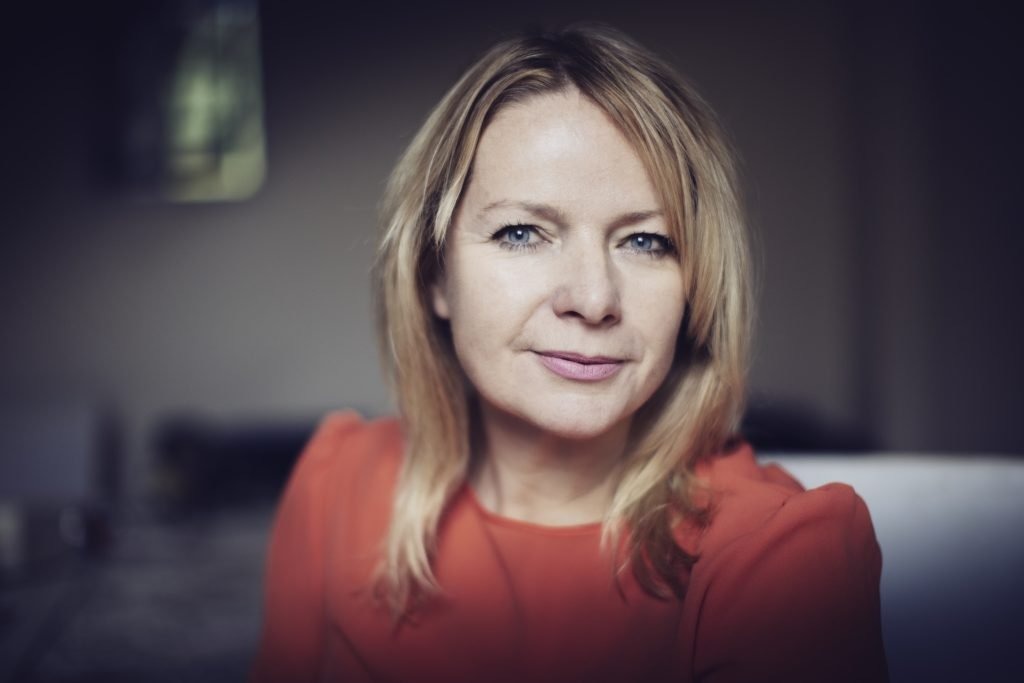
Book Moderators and Facilitators Speakers in London
If you are planning a conference, panel series, workshop, or leadership forum, the host you choose will shape the outcome. With moderators and facilitators speakers in London, you gain professionals who understand the city’s audiences, travel nationwide with ease, and deliver sessions that feel crisp, fair, and genuinely useful. Share your goals, set the tone, and give your event the advantage of a steady hand on the wheel.